Practical tips and honest answers to the questions homeowners actually ask — written from real jobs across the northwest suburbs.
Written from real jobs — practical, no fluff.
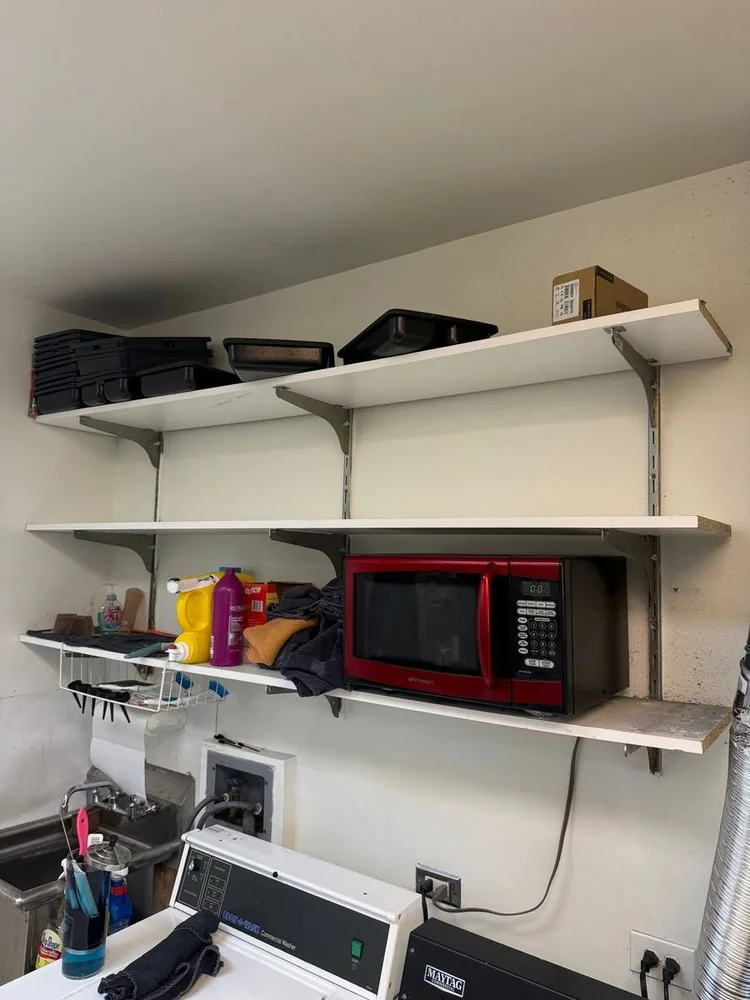
Loose cabinet door, one hole in the wall, a shelf that needs hanging. Here's how small jobs actually get priced — and why bundling them saves you money.
Hiring any home service means letting a stranger through your door. Six questions that tell you what you need to know — and what a good answer sounds like.
The patch that bulged. The anchor that tore out. The paint that won't blend. What's usually salvageable, what isn't, and why nobody's judging you.
A flat rate should mean the number you're told is the number you pay. Here's what that covers, and the three honest situations where a price has to be revisited.
“Insured” gets used loosely in home services. Here's what general liability coverage means for you, how to verify it in two minutes, and why “licensed” is a different word.
Booked, confirmed, then silence. Why it happens more with small jobs, and the signals during the first conversation that tell you how a job will go.
A well-done patch disappears in normal light. Under a raking light at night, you can often still find it — even on professional work. Here's the honest standard.
The crack above your door reopens every year. Usually that's seasonal movement, not your foundation — but there are three signs that mean call someone else.
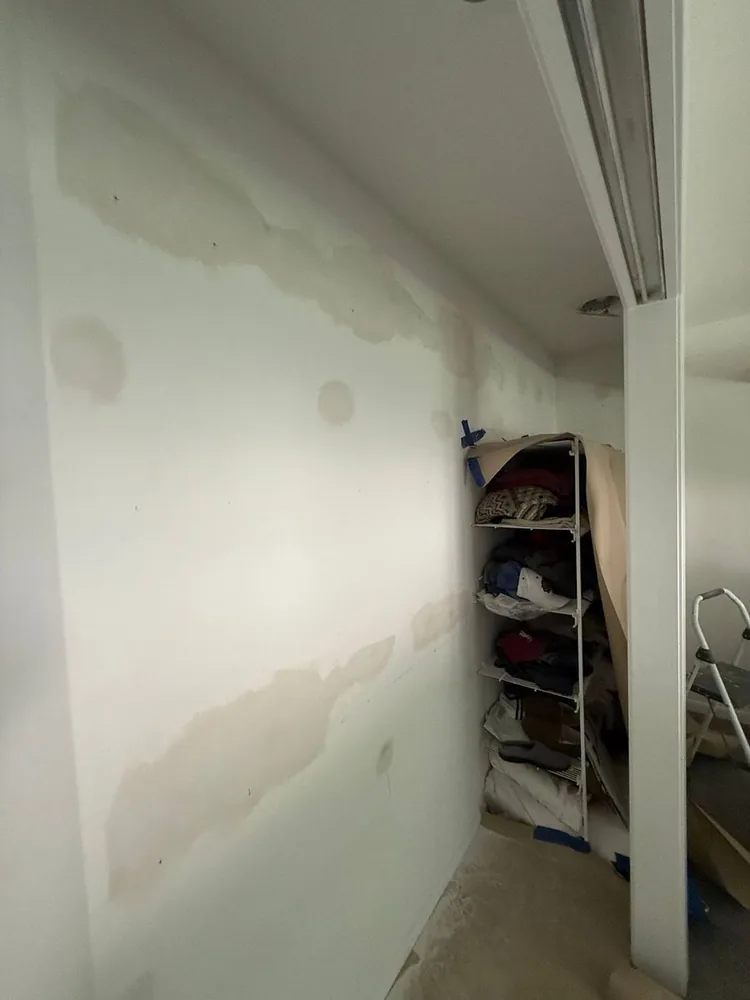
A brown ring on the ceiling could be from a leak fixed years ago, or from one happening right now. Two simple tests tell you which — before anyone paints over it.
Drywall sanding makes fine dust that travels. Here's honestly how much, what I do to contain it, and what's worth moving before I arrive.
Anchor holes, TV mounts, scuffed walls. What landlords typically deduct for, what usually counts as normal wear, and what it costs to fix beforehand.
Not everything needs fixing before a sale. Here's what gets flagged, what shows up in photos, and what's genuinely fine to leave alone.
Frost heave, freeze-thaw, and dry indoor air do the same damage every year around here. What to expect, what to do before the ground freezes, and what can wait.
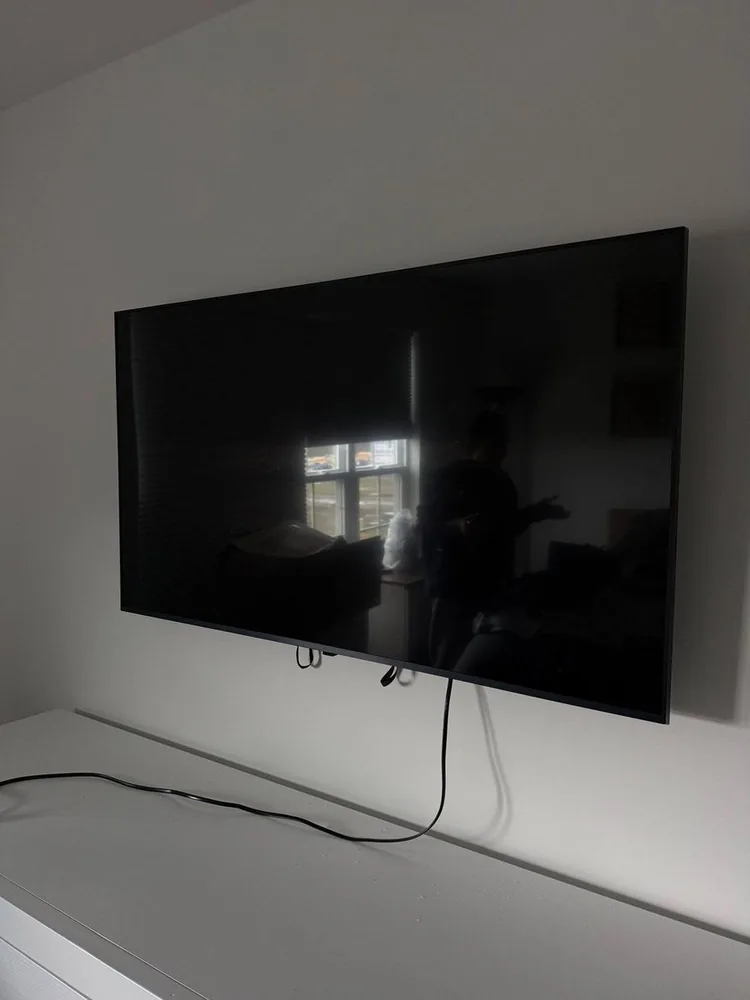
It looks great in showrooms and it's the most requested mount I get. Three real problems worth knowing before the holes go in — and when it does work well.

Nail pops, doorknob dents, or a full-size hole — each needs a different fix. Here's the honest breakdown, including the step most DIYers skip.

Hourly vs flat-rate, what common jobs actually cost in 2026, and the questions that make your quote accurate the first time.

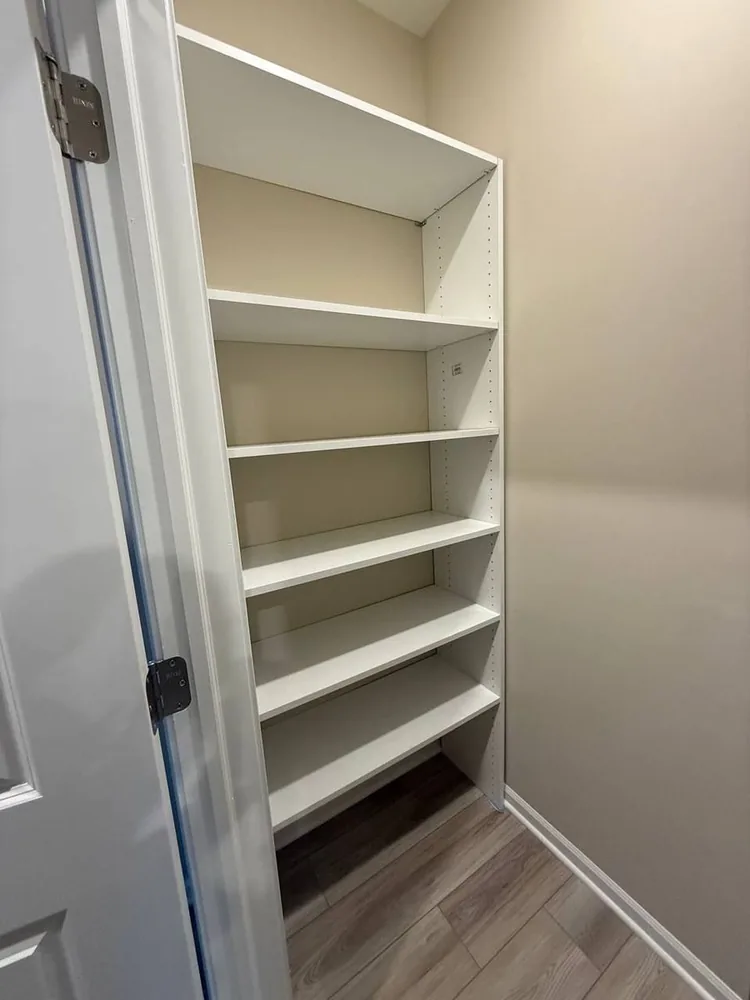
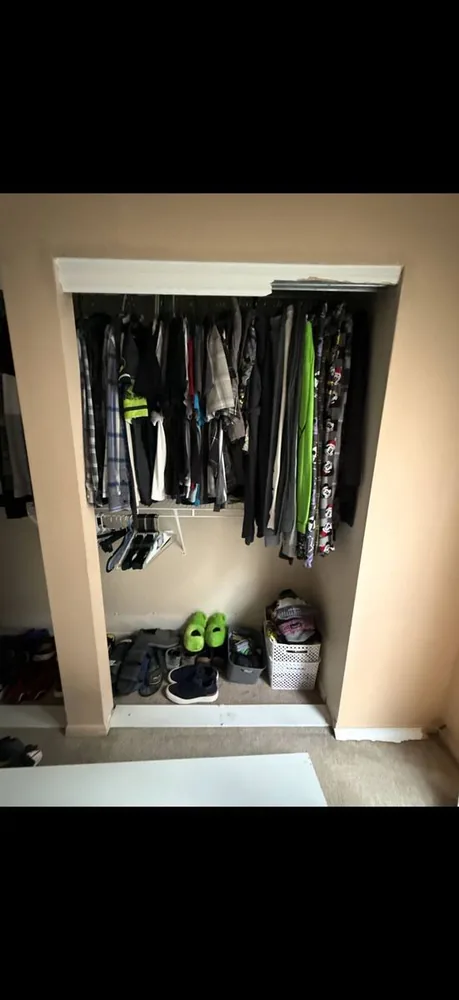
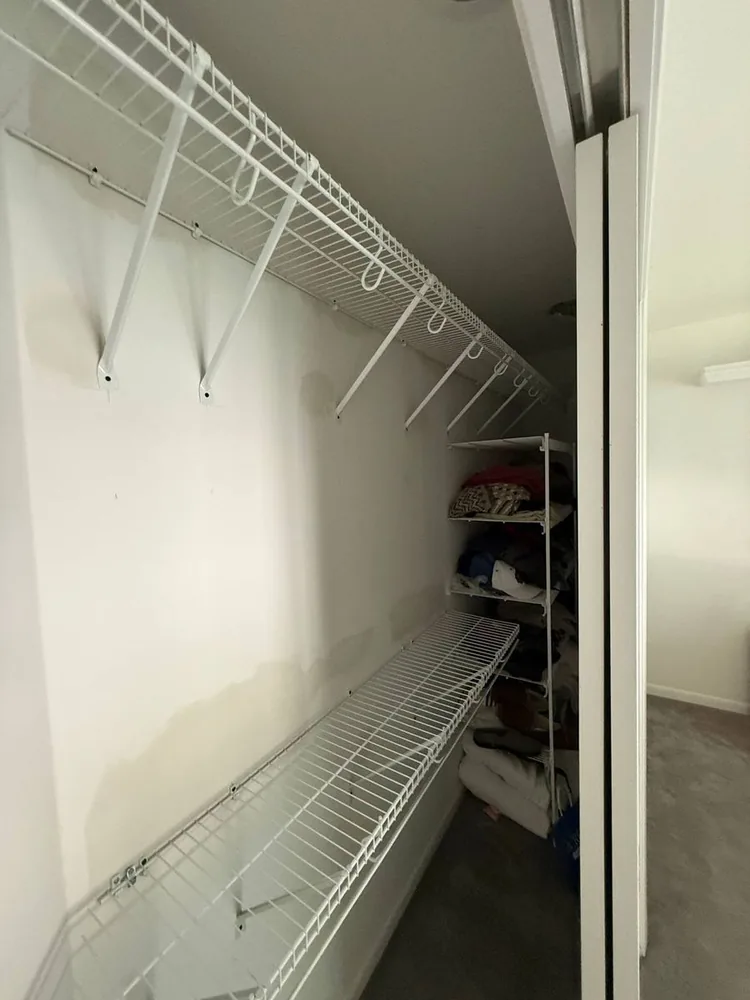
It's almost never the shelf's fault — it's what the shelf was anchored into. The physics of why closets collapse, and the fix that survives a full wardrobe.

Caulking over old caulk is the #1 reason it fails again in months. The full process — cut out, clean, tape, tool — takes one afternoon and lasts years.

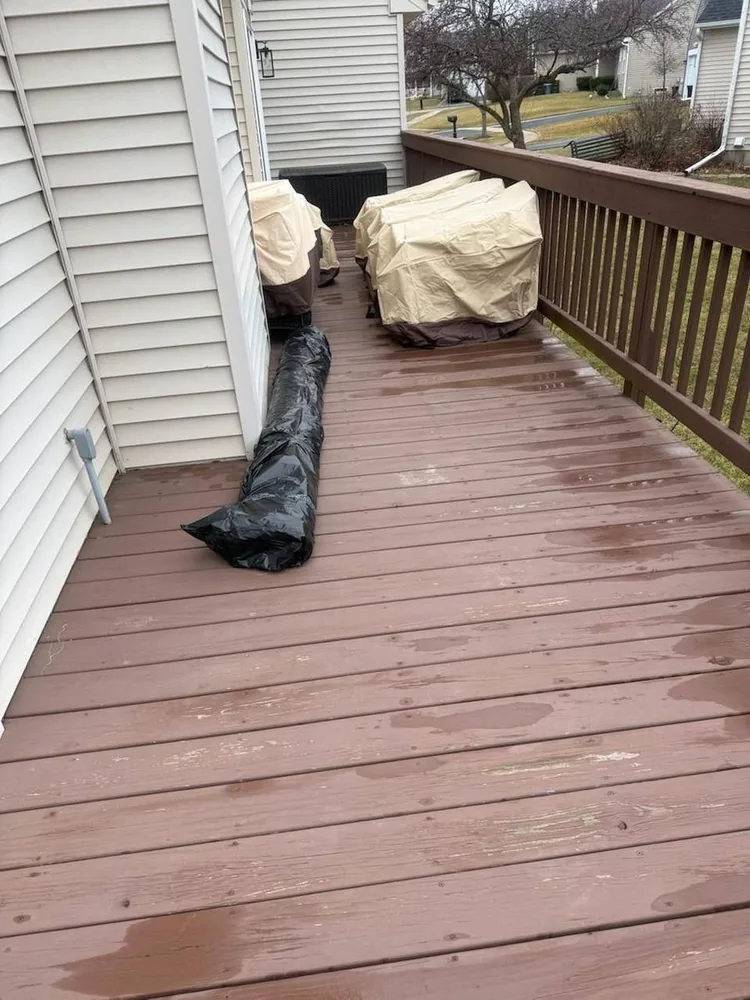
The water-drop test tells you in 10 seconds whether your deck is due. Plus the Illinois-specific schedule and why prep matters more than the stain brand.

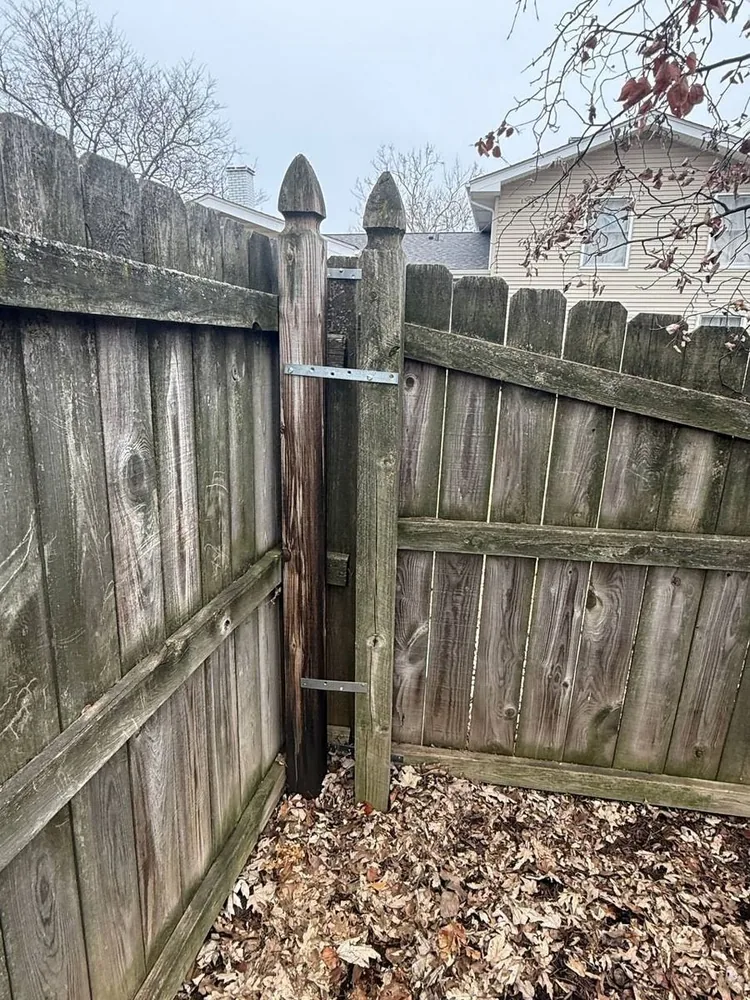
Push the post. What happens next tells you whether it's a $150 fix or a replacement — and why posts in our area lean every spring.
Don't have a stud finder handy? Here are three reliable methods to locate wall studs using tools you probably already have at home.

If your home was built before 1970, there's a good chance you have plaster walls — not drywall. Here's why that matters for repairs, mounting, and renovations.

The honest answer depends on three things: your wall type, your anchoring method, and the bracket itself. Here's how to estimate it correctly.

TV mounting looks simple from a YouTube video. Here's what tends to go wrong with DIY attempts — and when it's actually worth doing yourself.
Text a photo and description — flat-rate quote within 2 hours, usually faster.