How to Fix a Hole in Drywall (Small, Medium & Large)
Drywall holes come in three sizes, and each one needs a different repair. Use the wrong method and the patch will crack, sag, or telegraph through the paint within months. Here's how to match the fix to the damage.
Small Holes (Nail Pops, Picture Hooks, Anchors)
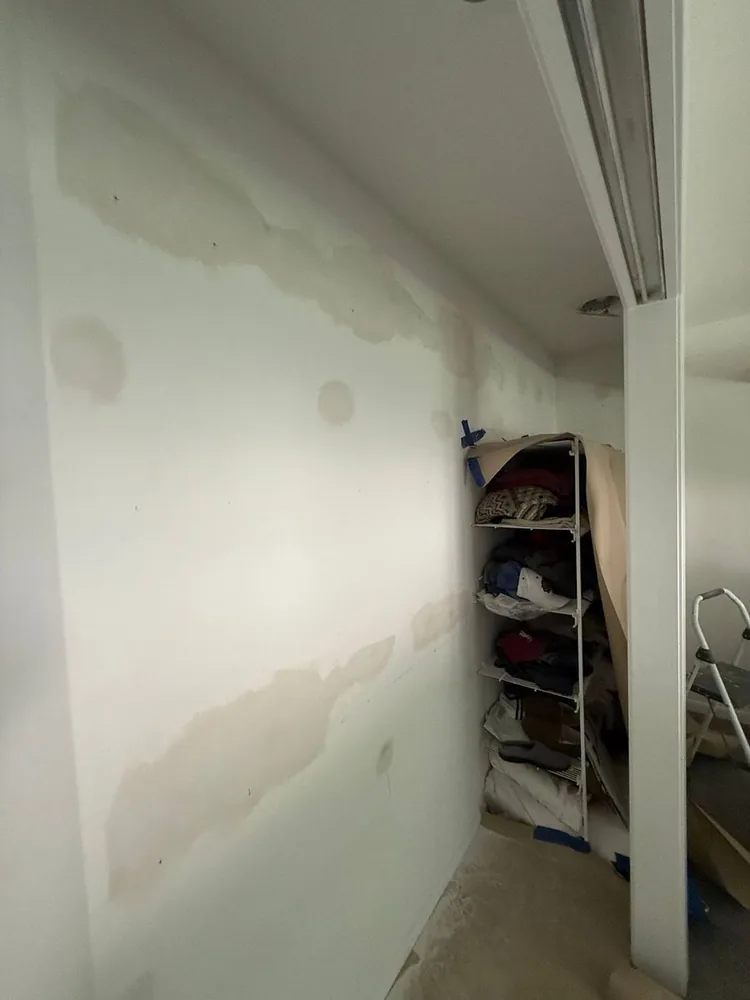
Anything smaller than a quarter is a filler job. Scrape away loose paper, press lightweight spackle in with a putty knife, and let it dry fully. Then sand flush and dab on primer before paint — skip the primer and the spot will "flash" as a dull patch every time light hits the wall at an angle.
One catch: if a nail pop keeps returning in the same spot, the drywall screw underneath is working loose. Drive a new screw an inch above or below into the stud, then patch both dimples.
Medium Holes (Doorknob Size, 1–4 Inches)
This is where the self-adhesive mesh patch earns its keep. Stick the patch over the hole, then apply three thin coats of joint compound, letting each dry and feathering every coat a few inches wider than the last. The most common DIY mistake is one thick coat: it shrinks, cracks, and leaves a visible bulge. Three thin coats always beat one heavy one.
Add a door stopper while you're at it — otherwise you'll be doing this exact repair again in a year.
Large Holes (Bigger Than Your Hand)
Big damage needs new drywall, not filler. The proper repair: cut the hole back to a clean rectangle, screw wood backing strips inside the opening, fasten a new drywall piece to the backing, then tape every seam and finish with compound. Without backing and tape, the patch will crack around its edges — guaranteed.
This is also where texture matters. Most suburban homes have some texture on the walls, and a perfectly flat patch on a textured wall is still a visible patch. Matching orange peel or knockdown takes practice (and usually a test board).
When to Call a Pro Instead
Three situations are worth a phone call: the wall is plaster, not drywall (common in pre-1970 homes — the repair method is completely different); the hole is from water damage (the source needs to be fixed and verified dry first); or the wall has a texture you can't match. A pro repair with texture blending typically costs less than most people expect — and it disappears completely.
EasyFix patches and texture-matches drywall across the northwest Chicago suburbs — most hole repairs are done in a single visit. Text a photo for a flat-rate quote.
Get a Free Quote →